It is hard to flip through my daily flow without encountering something that feels like a human didn’t produce it. Because I teach people how to ethically use artificial intelligence, I often offer these five precepts to people who want to ensure they’re consuming authentic content. I borrowed the logic behind these ideas from Michael Zeitgeist.
- Verify any specific claims (dates, numbers, names, citations) independently. This is often difficult because of the sheer amount of titles and headlines designed to draw you deeper into a rabbit hole of curiosity.
- Be suspicious if something sounds to perfectly aligned with what you asked.
- Check all citations rigorously, especially if your AI specifically references a source. I have discovered that those sources don’t exist, as in the case of established academic researchers.
- If you have something very important to share, cross-reference your findings with sources inside your personal knowledge management vault.
- If something feels “off”, it could mean an AI has produced it by amalgamating content.
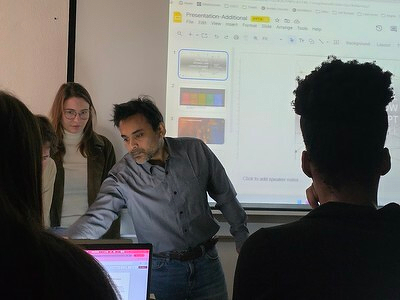
I'm spending the run-up to Christmas 2025 teaching 40 people "AI for Personal Productivity" with the Irish Innovation Skillnet. And I'm also showing pensioners in Tipperary "AI Just with Phones" as part of Ireland's Adult Literacy for Life initiative. Both cohorts of people have very different learning styles. And in both cohorts, there are major points of resistance to using AI as part of daily activities. I will write about this on my Topgold.ie blog.